By Jenny Holly Hansen | Langley News | April 10, 2026

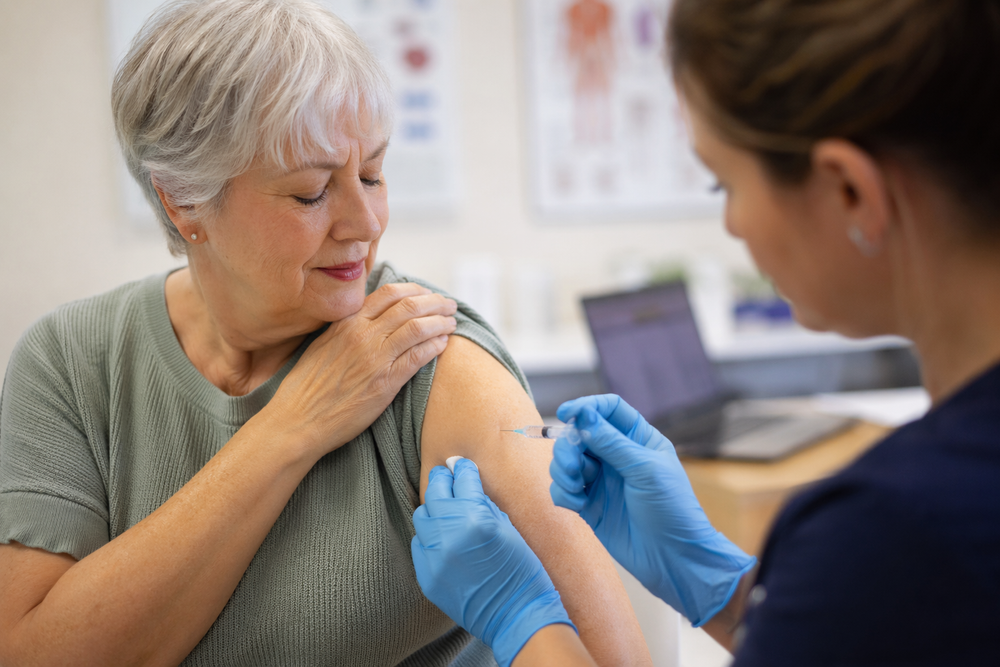
A study published in Neurology in April 2026 by researchers at UTHealth Houston is adding a compelling new layer to that conversation. It suggests that something as routine as a flu shot—specifically, a high-dose influenza vaccine may play a meaningful role in reducing the risk of Alzheimer’s disease.

Rethinking Prevention: Beyond the Obvious

For years, Alzheimer’s research has focused heavily on genetics, lifestyle, and emerging drug therapies. But this study points toward a different, more accessible lever: the immune system.

The findings are striking. Among adults aged 65 and older, those who received a high-dose flu vaccine experienced nearly a 55% lower risk of developing Alzheimer’s disease compared to those who were unvaccinated. Even standard-dose vaccines showed a benefit—around a 40% reduction—but the enhanced protection from the high-dose version stood out.

Why Would a Flu Shot Affect Alzheimer’s Risk?

The working theory centers on inflammation. Severe infections—like influenza—can trigger widespread inflammation throughout the body. Over time, chronic or repeated inflammation is believed to contribute to neurodegeneration, a key factor in Alzheimer’s disease.

The high-dose vaccine contains a greater amount of antigen, which prompts a stronger immune response. In practical terms, that means:

  • Better protection against severe flu infections
  • Reduced systemic inflammation
  • Less cumulative stress on the brain over time

In other words, it’s not just about avoiding the flu—it’s about reducing the downstream effects that can quietly impact long-term brain health.

A Protective Effect That Lasts

Another interesting element of the study is timing. The reduced Alzheimer’s risk was observed over a two-year period following vaccination, suggesting that the benefits aren’t fleeting. There also appeared to be a stronger protective effect in women, though researchers are still working to understand why.

This raises an intriguing possibility: that consistent, preventative healthcare habits—like annual vaccination—may compound over time in ways we’re only beginning to understand.

Part of a Bigger Pattern

This study doesn’t exist in isolation. In 2025, research on the recombinant shingles vaccine (Shingrix) showed a 33–51% reduction in dementia risk among recipients. Taken together, these findings hint at a broader trend: Vaccines may play a role not just in preventing disease—but in preserving cognitive function.

What This Means Moving Forward

It’s worth being clear: this study doesn’t prove that flu vaccines prevent Alzheimer’s outright. But it does strengthen a growing body of evidence that immune health and brain health are deeply connected.

We often think of Alzheimer’s risk as something distant, complex, and largely out of our control. But research like this suggests that small, proactive decisions—made consistently—can have long-term impact.

A Broader Perspective on Health

Health isn’t siloed. The immune system, the brain, the cardiovascular system—they’re all part of the same story. And sometimes, the most familiar tools—like a seasonal vaccine—turn out to have benefits far beyond their original purpose.

It means the future of healthcare may not just be about breakthrough treatments—but about reframing everyday choices as long-term investments in well-being.

Let’s Keep Talking:

Jenny Holly Hansen, Business Insurance Broker since 2006

Email: hello@jennyhollyhansen.ca

Phone: 604-317-6755

LinkedIn https://www.linkedin.com/in/jenny-holly-hansen-365b691b/.  

TAGS:  #Jenny Holly Hansen #Protect Your Business #Community Impact #Langley Connect #Surrey Connect #Connect Network #Influenza Vaccine #Alzheimer's Disease #Shingles Vaccine #Dementia

Share this article
The link has been copied!