By Jenny Holly Hansen | Langley News | March 26, 2026
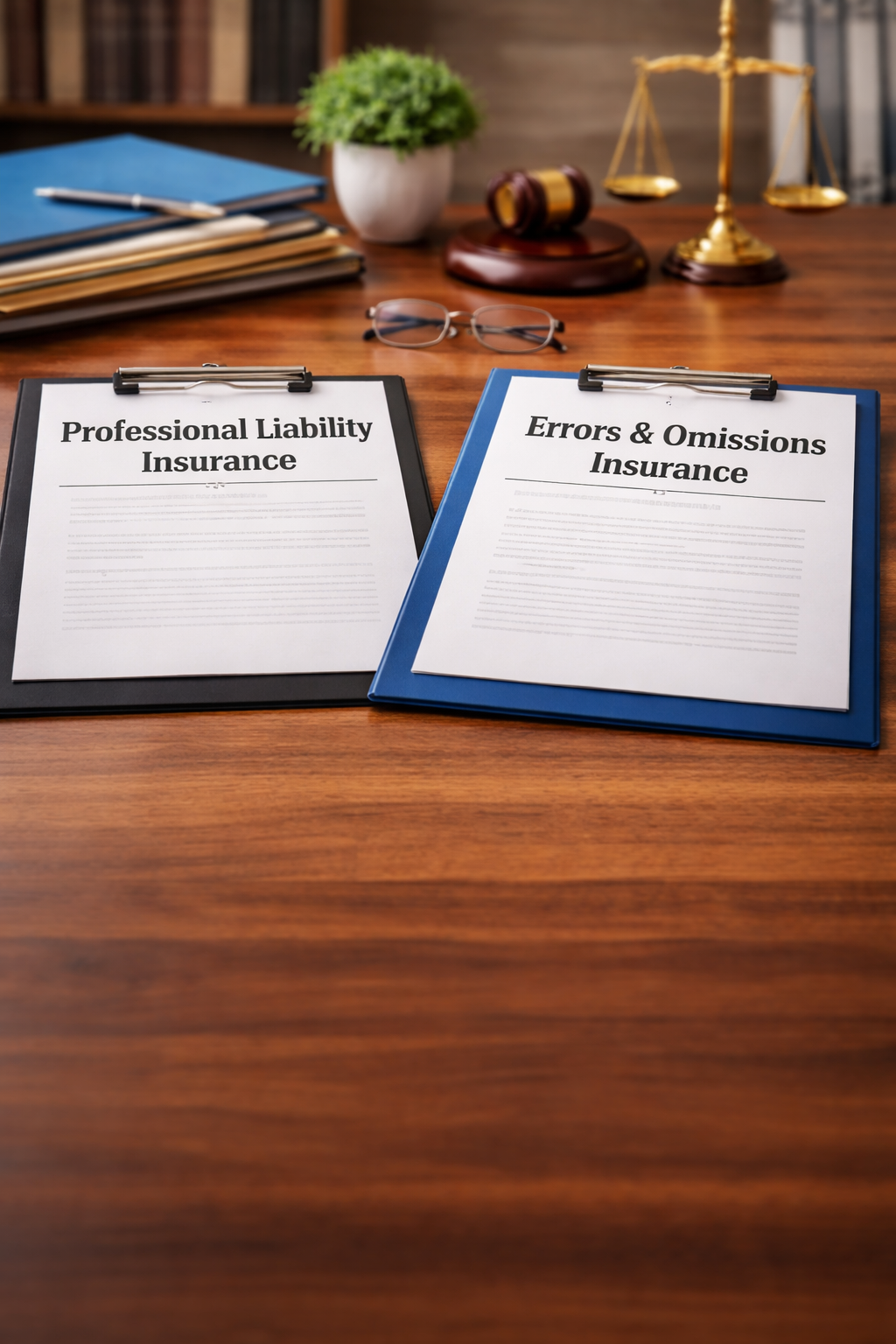
In conversations with business owners, one question comes up more often than you might expect: Is there a difference between Professional Liability insurance and Errors & Omissions (E&O) insurance?
The short answer is—not really. But the longer answer is where things get interesting, and more importantly, where clarity can help you make better decisions for your business.
At Their Core: They Protect Against the Same Risk
Both Professional Liability and Errors & Omissions insurance are designed to protect businesses and individuals who provide advice, expertise, or professional services.
If a client claims that your work:
- Was negligent
- Contained an error
- Included an omission (something you missed)
- Failed to meet expectations or contractual obligations
…these policies step in to cover legal defense costs, settlements, or judgments.
In other words, they protect your business when your professional knowledge is being questioned.
So Why Two Different Names?
The difference between the two is largely a matter of language and industry preference—not function.
Professional Liability Insurance
This term is more commonly used in industries where services are highly specialized or regulated, such as:
- Consultants
- Engineers
- Architects
- Healthcare professionals
- Accountants
It emphasizes the responsibility tied to professional standards and expertise.
Errors & Omissions (E&O) Insurance
E&O is more commonly used in industries where services may be less regulated but still involve advice, transactions, or deliverables, such as:
- Insurance brokers
- Real estate professionals
- Technology companies
- Marketing agencies
- Financial advisors
This term focuses more directly on the type of mistake—errors or omissions—that could lead to a claim.
Where Confusion Can Happen
Because the terms are often used interchangeably, many policies are actually labeled with both terms (for example, “Professional Liability (Errors & Omissions) Insurance”).
However, coverage can still vary depending on:
- The insurer
- The industry
- The wording of the policy
- Specific endorsements or exclusions
This means two policies with similar names can provide very different levels of protection.
What Actually Matters More Than the Name
Rather than focusing on whether your policy is called Professional Liability or E&O, it’s more important to understand:
1. What services are covered
Does the policy clearly reflect what your business actually does?
2. What exclusions exist
Are there gaps that could leave you exposed?
3. Claims triggers
Is the policy claims-made? What are the reporting requirements?
4. Limits of liability
Are the coverage limits sufficient for the size of your contracts or potential exposure?
5. Industry-specific risks
Does the policy address risks unique to your field (for example, cyber exposures for tech companies)?
A Practical Example
Imagine a consultant provides strategic advice that leads a client to make a costly decision. The client later claims the advice was flawed and seeks damages.
Whether the policy is labeled Professional Liability or E&O, the intent is the same: to defend the consultant and cover potential losses.
The Takeaway
The distinction between Professional Liability and Errors & Omissions insurance is largely semantic. They serve the same fundamental purpose—protecting your business when your expertise is called into question.
What matters most is not the name on the policy, but how well it is tailored to your business, your industry, and your real-world risks.
Because when a claim happens, the wording—not the label—is what determines whether you’re protected.
Let’s Keep Talking:
Jenny Holly Hansen, Business Insurance Broker since 2006
Email: hello@jennyhollyhansen.ca
Phone: 604-317-6755
LinkedIn https://www.linkedin.com/in/jenny-holly-hansen-365b691b/.
TAGS: #Jenny Holly Hansen #Protect Your Business #Community Impact #Langley Connect #Surrey Connect #Connect Network #Professional Liability #Errors and Omissions Liability (E&O)