By Jenny Holly Hansen | Langley News | May 24, 2026
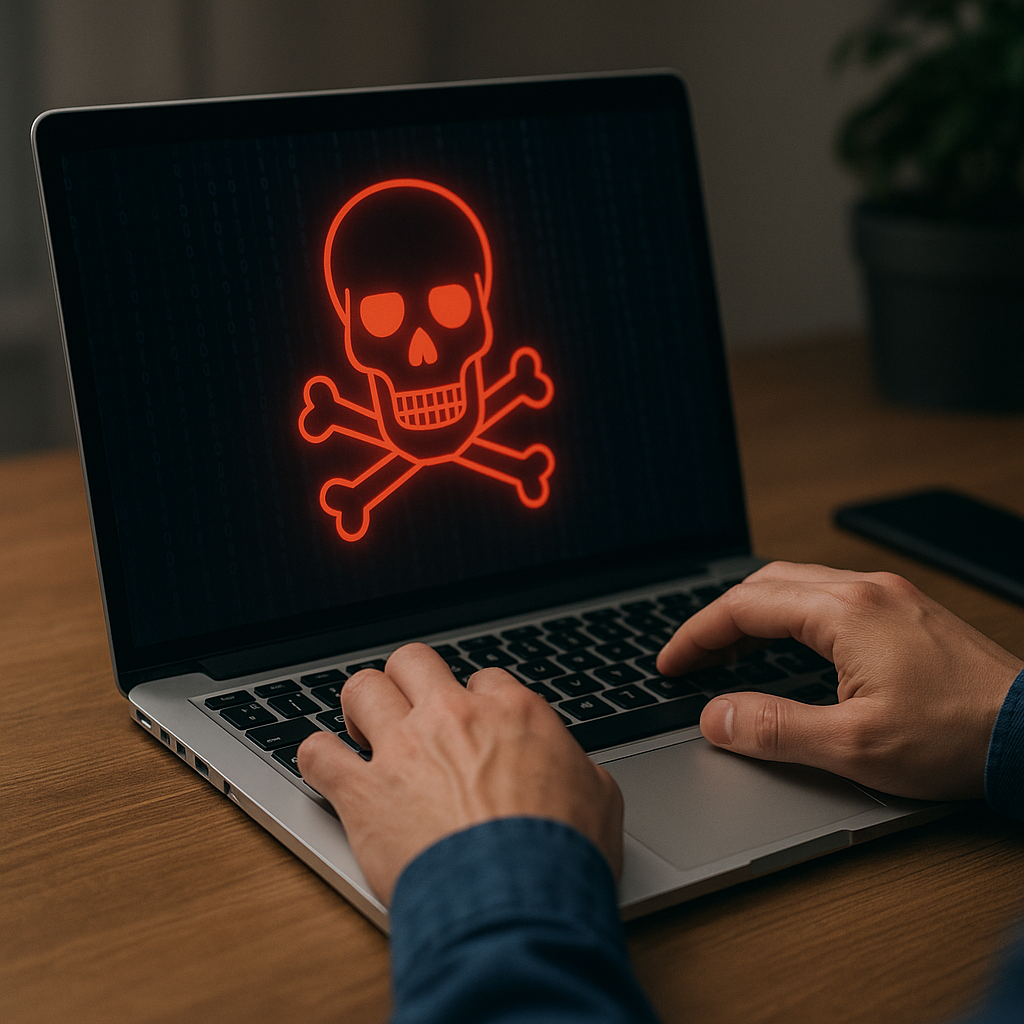
You’ve probably heard the term "malware" before, but what does it actually mean?
Malware stands for malicious software — software specifically designed to infiltrate, damage, or disrupt your devices and systems. Its main goals are to steal your data, spy on your activities, or even take control of your entire system.
When I talk to business owners about cyber risks, I often explain that malware isn't just a vague tech threat; it’s a real and active danger to everyday operations. To help you better understand what you might be up against, here are three of the most common types of malware and what they do:
Worms
Worms are like digital pests. Once they find a way into a system, they spread all on their own — no human help required. They jump from computer to computer, clogging networks, crashing systems, and sometimes carrying even more harmful software along with them. In a business environment, a worm outbreak can paralyze operations in a matter of hours.
Spyware
Spyware reminds me of that snooping neighbor you wish would mind their own business. It secretly monitors everything you do online — from browsing habits to login credentials — all without your knowledge. Often, spyware hides in suspicious downloads or shady website links. One careless click could expose your company’s sensitive data to outsiders.
Keyloggers
Keyloggers are one of the most dangerous forms of malware because they record every single keystroke you make. Imagine cybercriminals capturing your passwords, credit card information, or confidential business communications as you type. Keyloggers often lurk inside fake software updates or malicious email attachments, making them particularly tricky to detect.
Don’t let one malware attack put your business at risk—cyber risk insurance helps protect your operations, finances, and reputation when the unexpected happens.
The Good News
The good news is that protecting your business from malware isn’t hard — if you stay proactive.
A strong cybersecurity setup, combined with good habits like regular updates, cautious clicking, and employee training, can stop most threats before they ever reach your systems. It’s an investment in your company's future security and peace of mind.
In today's digital world, knowing what malware is — and how it works — is the first step toward defending your business against it.
TAGS: #Jenny Holly Hansen #Protect Your Business #Community Impact #Langley Connect #Surrey Connect #North Van Connect #Connect Network #Malware #Cyber Risk #Worms #Spyware #Keyloggers
Let’s Keep Talking: Jenny Holly Hansen, Business Insurance Broker since 2006. Phone: 604-317-6755 Email: jenny.hansen@brokerbc.ca LinkedIn https://www.linkedin.com/in/jenny-holly-hansen-365b691b/.