✍️ By Debbie Balfour | Langley News | May 6, 2026
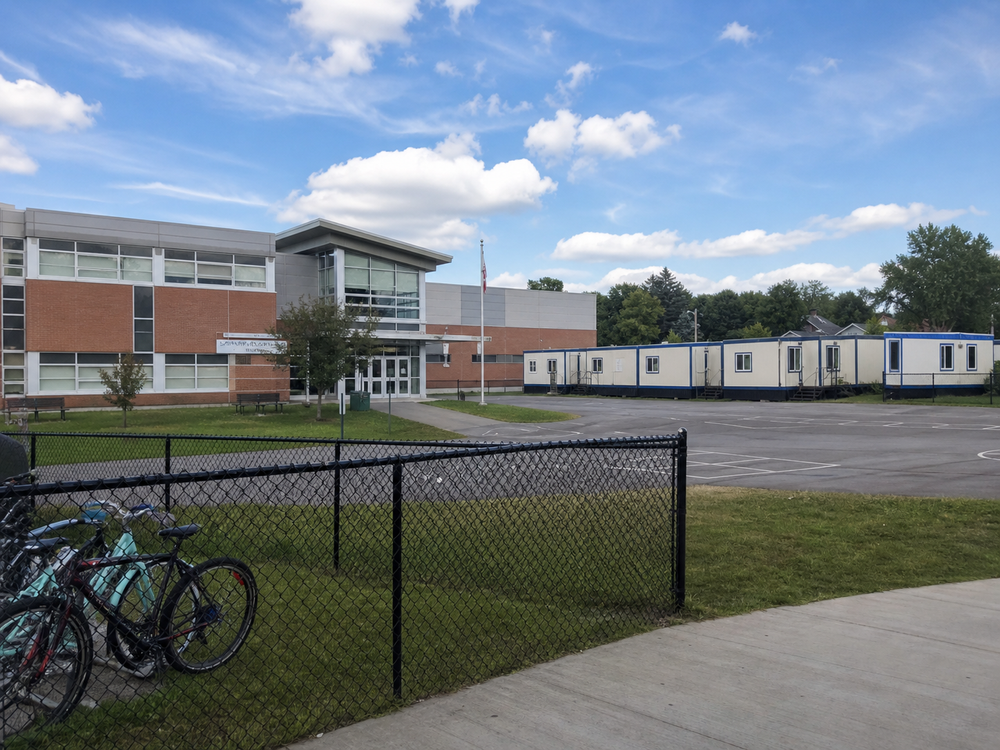
Drive through Willoughby on a weekday morning and you’ll see it instantly: school drop-offs backed up, playgrounds full, and portables lining the edges of campuses. Langley isn’t just growing. It’s surging. And the big question families are starting to ask is simple: can the school system keep up?
The short answer? It’s trying, but the pressure is real.
Growth Is Outpacing Classrooms
The Langley School District has been working to respond to one of the fastest population increases in Metro Vancouver. Areas like Willoughby, Yorkson, and parts of Brookswood have seen thousands of new homes built in just a few years—many filled with young families.
That’s great news for the community.
But it also means classrooms are filling faster than new schools can be built.
Across Langley, overcrowding has become a familiar issue. Portables—once considered temporary solutions- are now a long-term reality at many schools. While new school projects are underway, planning, funding, and construction timelines mean relief doesn’t come overnight.
Why Families Are Still Choosing Langley
Here’s the twist: despite these challenges, families continue to move to Langley in record numbers.
Why?
Because education here still holds strong appeal.
Langley offers a mix of public, private, and post-secondary options, including institutions like Trinity Western University. Many schools are newer, especially in developing areas, and the community-focused environment is a major draw.
For parents, Langley represents balance, more space, safer neighbourhoods, and access to quality education without the intensity of larger urban centers.
It’s not just about schools, it’s about lifestyle.
The Reality Behind the Growth
Still, demand is testing the system.
New school announcements are often met with relief, but also urgency. By the time a school opens, surrounding neighbourhoods are often already near capacity. It’s a constant game of catch-up.
There are also broader challenges:
- Rising construction costs
- Limited available land in key areas
- Coordination between municipal growth and provincial funding
All of it slows the pace of expansion.
What This Means for the Future
For families, it may mean navigating waitlists, boundary changes, or temporary classrooms.
For investors and developers, it’s a signal: infrastructure matters. Schools are a critical part of sustainable growth, and without them, even the most desirable communities can feel strained.
For Langley itself, the path forward is clear but complex.
Growth isn’t slowing down. In fact, with continued development and future transit expansion, it’s likely to accelerate. That puts even more pressure on education planning to not just keep up, but get ahead.
The Bottom Line
Langley remains one of the most attractive places for families in the Fraser Valley, and education is a big part of that appeal.
But the current pace of growth is testing the limits.
The question isn’t whether Langley can build more schools.
It’s whether it can build them fast enough.
Debbie Balfour | Real Estate Investing Success Coach + Podcast Host
📍 Website: www.DebbieBalfour.com
📧 Email: Debbie@DebbieBalfour.com
🔗 LinkedIn: Debbie Balfour
▶️ YouTube Channel: youtube.com/@DebbieBalfour
Join the FREE Facebook Group: Real Estate Investor Success Hub
Download your FREE 7 Proven Ways To Invest In Real Estate Without Using Your Own Cash guide.
TAGS: #Education Growth #School Overcrowding #Family Living #Real Estate Trends #Commercial Development #Langley News #Debbie Balfour