✍️ By Debbie Balfour | Langley News | July 8, 2026 | Click HERE for your FREE Subscription to Langley News and/or to be a Contributor.

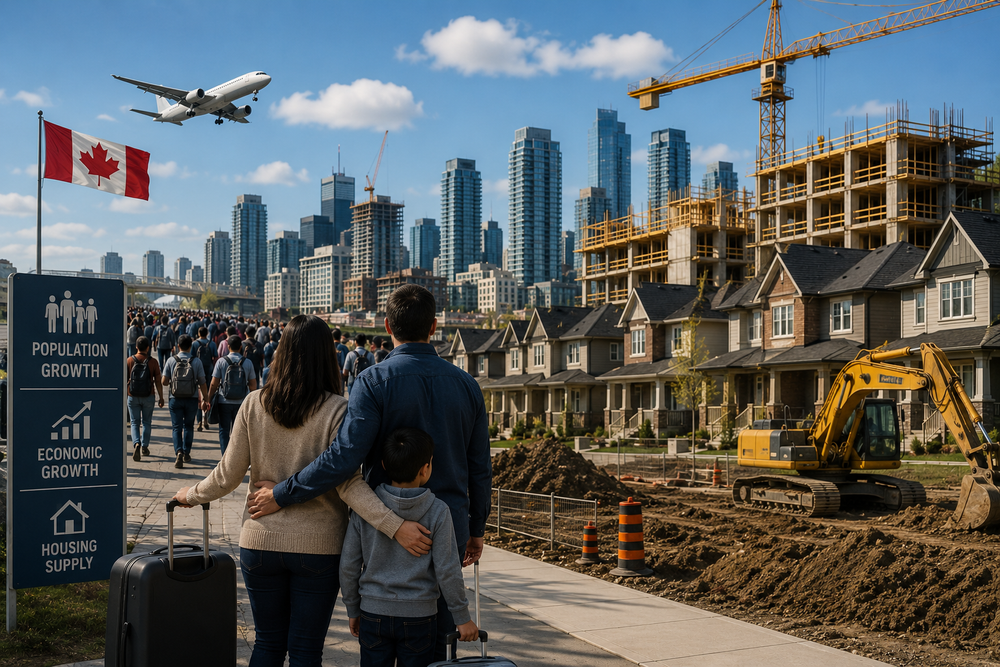
Few topics generate more debate in Canada today than the relationship between immigration and housing. As population growth accelerates and housing affordability remains a challenge, many Canadians are asking a difficult question: Can Canada build homes fast enough to keep pace with its growing population?

The federal government has long maintained that immigration is essential to Canada's economic future. Newcomers help fill labour shortages, support economic growth, contribute to tax revenues, and offset the effects of an aging population. In many industries, employers argue that immigration is critical to maintaining productivity and competitiveness.

Supporters point out that Canada's long-term prosperity depends on attracting skilled workers, entrepreneurs, and families who contribute to communities across the country.

Yet critics argue that population growth is outpacing housing construction.

They point to rising rents, increasing home prices, low vacancy rates, and growing pressure on infrastructure as evidence that housing supply cannot keep up with demand. While immigration may benefit the economy, critics question whether governments have adequately planned for the housing needed to accommodate rapid population growth.

The concern is not necessarily immigration itself. Rather, it is whether housing policy and immigration policy are moving in sync.

On one side of the debate are those who believe Canada should continue welcoming newcomers while dramatically accelerating housing construction. They argue that the solution is more homes, faster approvals, reduced red tape, and increased investment in development.

On the other side are those who believe population targets should be better aligned with the country's ability to provide housing, healthcare, transportation, and public services.

Both perspectives raise legitimate concerns.

Canada needs economic growth. Canada also needs housing. The challenge is that both objectives depend on effective planning and coordination.

If governments determine immigration targets, should they also be responsible for ensuring housing supply keeps pace? If municipalities are expected to approve more development, do they have the infrastructure and resources required to support that growth? And if housing shortages persist, is the issue too many people arriving, or too few homes being built?

Perhaps the most important question is not whether immigration is the problem or whether housing supply is the problem.

Perhaps the real issue is why policies controlling both population growth and housing construction continue to operate on separate tracks.

As Canada moves forward, the success of both immigration and housing policy may depend on answering a simple but critical question: Can the country effectively grow its population if it cannot grow its housing supply at the same pace?

Debbie Balfour | Real Estate Investing Success Coach + Podcast Host
📍 Website: www.DebbieBalfour.com
📧 Email: Debbie@DebbieBalfour.com
🔗 LinkedIn: Debbie Balfour
▶️ YouTube Channel: youtube.com/@DebbieBalfour

Join the FREE Facebook Group: Real Estate Investor Success Hub

Download your FREE 7 Proven Ways To Invest In Real Estate Without Using Your Own Cash guide.

TAGS: #Housing Affordability #Canadian Real Estate #Immigration Policy #Housing Supply #Real Estate Investing #Langley News #Debbie Balfour

Share this article
The link has been copied!