By Jenny Holly Hansen | Langley News | May 5, 2026
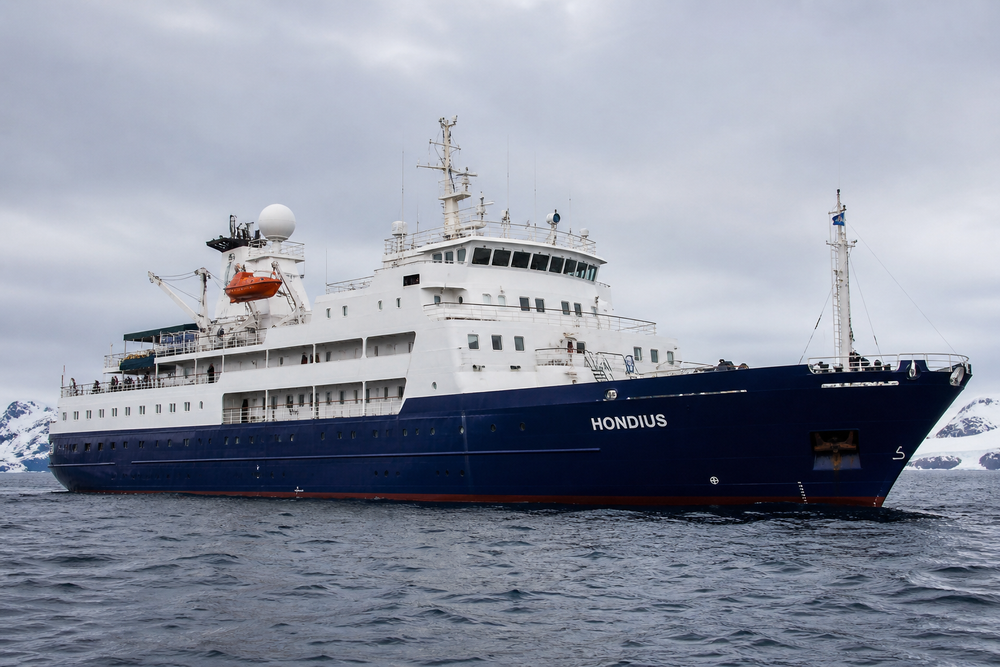
A luxury expedition cruise has turned into a serious health concern after a suspected hantavirus outbreak aboard the Dutch-operated vessel MV Hondius. As of early May 2026, three passengers have died and several others have fallen ill, with at least one person reported in critical condition. The ship, which departed from Argentina and was crossing the South Atlantic, saw symptoms begin to appear among passengers in April. At least seven confirmed or suspected cases have been identified so far. Efforts to manage the situation have been complicated by the ship being denied docking in Cape Verde, leaving passengers and crew effectively quarantined at sea while health authorities investigate the source and scope of the outbreak.
Hantavirus itself is a rare but potentially deadly virus primarily carried by rodents. Humans typically become infected through contact with contaminated particles from rodent urine, droppings, or saliva, often inhaled in enclosed or poorly ventilated spaces. There are two main forms of illness associated with hantavirus. The more severe, Hantavirus Pulmonary Syndrome (HPS), affects the lungs and can carry a fatality rate of up to 30 to 40 percent. The second, Hemorrhagic Fever with Renal Syndrome (HFRS), primarily impacts the kidneys and is generally less deadly. While infections are uncommon, they are often serious when they do occur.
The virus has a long history, first identified during the Korean War in the 1950s when soldiers developed a mysterious illness later traced back to rodent exposure. It gained wider attention in the 1990s following an outbreak in the southwestern United States, and since then, cases have been reported in various parts of the world, particularly in North and South America, Europe, and Asia. What makes the current situation unusual is not the virus itself, but the setting. Hantavirus is typically associated with rural or wilderness environments, not confined spaces like cruise ships carrying international passengers.
One of the challenges with hantavirus is how it presents. Early symptoms can appear mild and easily mistaken for other illnesses, including fever, fatigue, muscle aches, and headaches. However, the disease can escalate quickly. In more severe cases, patients may develop shortness of breath as fluid builds up in the lungs, leading to respiratory distress and, in some cases, organ failure. This rapid progression is what makes the virus particularly dangerous when not identified early.
Unlike more widely known viruses, hantavirus does not typically spread from person to person. Most infections are linked directly to environmental exposure to infected rodents. However, there is a rare exception. A strain known as the Andes virus, found in parts of South America, has been shown to spread between humans through close contact. This possibility is one reason health officials are closely monitoring the cruise ship outbreak, especially given the close quarters and shared spaces onboard.
Despite the severity of the cases, global health authorities have indicated that the broader risk to the public remains low. Hantavirus is not easily transmissible like influenza or COVID-19, and outbreaks tend to remain limited in scope. However, the situation aboard the cruise ship highlights how quickly a localized health issue can become complex when it occurs in a confined, mobile environment. Limited access to medical care, delayed evacuation, and prolonged close contact between passengers all increase the difficulty of containing such an outbreak.
Ultimately, this incident serves as a reminder of how interconnected global health has become. A virus most people rarely think about has caused multiple deaths in a matter of weeks, in a setting designed for travel and leisure. While this is not expected to become a widespread global crisis, it underscores the importance of awareness, early detection, and coordinated response when dealing with infectious diseases in an increasingly connected world.
Let’s Keep Talking:
Jenny Holly Hansen, Business Insurance Broker since 2006.
Phone: 604-317-6755 Email: hello@jennyhollyhansen.ca
LinkedIn https://www.linkedin.com/in/jenny-holly-hansen-365b691b/.
TAGS: #Jenny Holly Hansen #Protect Your Business #Community Impact #Langley Connect #Surrey Connect #Connect Network #MV Hondius #Hantavirus Pulmonary Syndrome (HPS) #Hemorrhagic Fever with Renal Syndrome (HFRS) #Andes Virus